Fast Fashion and its Effect on the Environment

Fast Fashion is characterized by the rapid production of trendy, inexpensive clothing, driven by social media influence. While it makes fashion accessible, it contributes to environmental issues like waste generation and water pollution. Sustainable practices can mitigate these impacts, with both consumers and brands encouraged to make responsible choices for long-term benefits.

The trendier, the better, is what we often see being utilized today as part of consumer consumption. Given the accessibility of shops through online stores or e-commerce, it is easier to purchase without much of a hassle. Though this could be a good thing economically, being mindful of what we purchase could also bring some rewards.

Fast Fashion, what it’s about

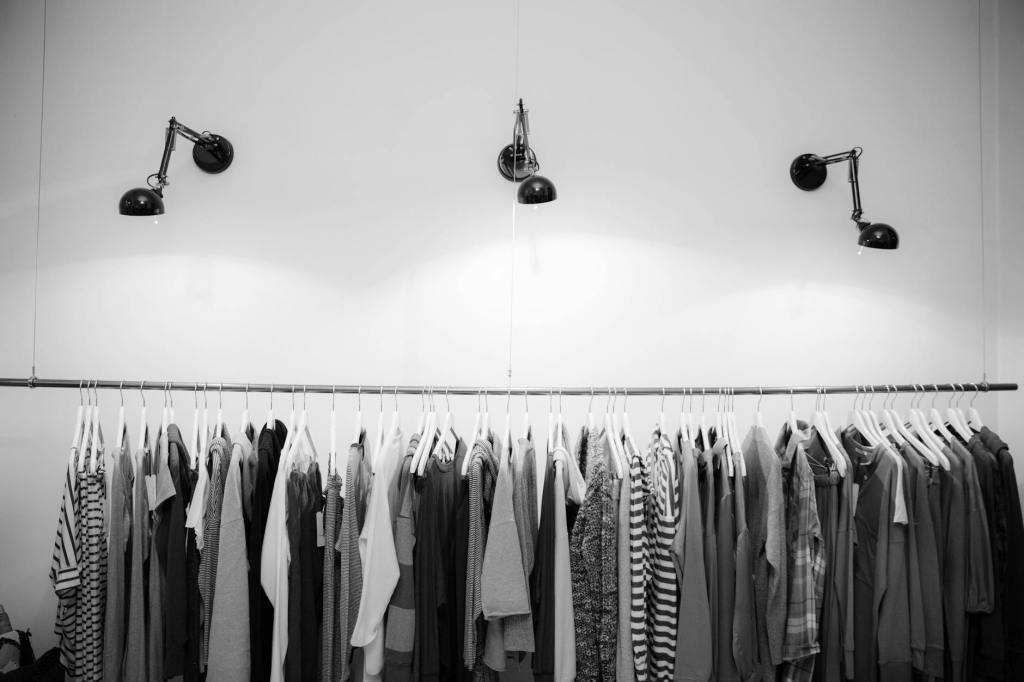
Fast Fashion refers to the rapid or hasty production of trendy and inexpensive clothing inspired by the latest trends often seen on social media, internet influencers, and/or celebrities. They are fashion items that are made affordable and accessible for public consumption.

The commencement of fast fashion could be dated back to the Pre-19th century. However, its boom came in later in the 20th century. In the 1990s, brands started to revolutionize how the public conceives them through ready-to-wear, easy-to-purchase, and greatly affordable clothing items that are readily available to the masses. Fast-forward to its continuous impact and ever-changing trends of consumerism, fashion, and its related items have become more disposable, making consumers be encouraged to purchase more and discard old trends or styles faster.

While fast fashion made new trend items like clothing, accessories, bags, etc., within reach and reasonably priced for the masses to buy, it also comes with significant environmental concerns:

  • Waste Generation

Overproduction of fast fashion items can lead to massive amounts of unsold inventory and unused and discarded clothing from consumers. Many of these garments and accessories are often made from non-biodegradable materials that can take hundreds of years to decompose.

  • Water Pollution and Overconsumption

Texting dyeing is the world’s second-largest polluter. The fast fashion industry uses approximately 700 gallons of water to produce cotton shirts, and about 2,000 gallons for a pair of jeans.

Fast fashion items are accessible and affordable; thus, we often overconsume because there is a fast-paced trend that we also frequently witness via social media that also influences us to purchase. Such consumption might not be totally wrong; however, there are impacts to the environment, to humans, and to other species that we should also be mindful of.

  • Overall Climate Crisis

While success is a collective effort, so are the crises that everyone is experiencing. While we cannot blame fast fashion alone and its consumption, it is a contributing factor to what we often witness as a climate crisis (e.g., the proliferation of chemicals and microplastics in both land and water, excess amount of waste that cannot be broken down easily, etc.).

Kudos to the fashion brands that are already making their way to sustainability by addressing these discourses. While there are a huge number of initiatives to be done, truthful efforts shall count; thus, consumers also have a role to play in terms of consumption—all these between uplifting the economy and ensuring relatability of brands, the industry, and their overall contribution.

The Take

There are some ways that both brands and individuals can combat the negative impact of fast fashion, by making sustainable choices, rewards could be sowed, albeit not instantly, but eventually.

By buying less and choosing well, not only consumers can prioritize quality over quantity but also reef stellar financial rewards for not spending so much on certain items that they will only discard after. Brands can also focus on ensuring economically considerate price points without also deteriorating the quality to accommodate bulk production. Adopting a capsule wardrobe approach can also help mix and match style pieces and create a more versatile look.

Brands should also look into more responsible production, marketing, and ethical labor practices. Implementing circular fashion that encourages recycling, repurposing, and reusing rather than discarding and offering certain incentives for participants.

While the above efforts could be done by both brands and consumers, the government also plays a significant role in making sure that these initiatives will be consistently applied. By crafting strict environmental laws and policies, incentivizing businesses that ensure fair wages and production through tax benefits and other grants, and educating consumers could go a long way.

References:

Business Insider (2019). Fast Fashion Environmental Impact Pollution Emissions Waste Water. Retrieved from https://www.businessinsider.com/fast-fashion-environmental-impact-pollution-emissions-waste-water-2019-10#fashion-causes-water-pollution-problems-too-textile-dyeing-is-the-worlds-second-largest-polluter-of-water-since-the-water-leftover-from-the-dyeing-process-is-often-dumped-into-ditches-streams-or-rivers-19

Center for Biological Diversity. (n.d.). At What Cost? Unraveling the Harms of the Fast Fashion Industry. Biologicaldiversity.org. Retrieved from https://www.biologicaldiversity.org/programs/population_and_sustainability/sustainability/fast_fashion#

Maiti, R. (2025). The Environmental Impact of Fast Fashion, Explained. Earth.org. Retrieved from https://earth.org/fast-fashions-detrimental-effect-on-the-environment/

also published in Stewarshidship Commons

SPE 2020: Ecological vulnerability discussion

Part 1 of 2 of the State of the Philippine Environment Forum 2020 coverage
Featured Image from The Philippine Star

MANILA, Philippines – On Wednesday, April 22, 2020, in commemoration of the 50th Year of Earth Day, The Center for Environmental Concerns – Philippines (CEC) held a webinar about the State of the Philippine Environment in time of COVID-19 discussing the ecological challenges to the pandemic.

Together with the Kalikasan Youth Advocates for Climate Action Philippines and Earth Day Network Philippines, the webinar series aimed to discuss the environmental challenges and provide ecological solutions for the community.

During this time, the Philippines experiences environmental consequences that are aggravated by COVID-19 pandemic and the country is now facing the worst ecological crisis.

Neo-Liberalism and PH Vulnerability

Neo-liberalism is a policy model that accentuates and associated the laissez-faire economic liberalism and promotion of free-market competition.

“Neoliberalism allows the unbridled utilization of our natural resources. It devastated our environment and impoverished our people,” said Rosario Bella “RosB” Guzman, IBON’s Research Head and Executive Editor and the first speaker on the Earth Day webinar.

Guzman also reiterated that while the Philippines is first in Green Revolution, the country has still become more vulnerable to different calamities and natural disasters.

Wealth inequality has been an existing challenge in the economy and thus, various industries have contributed to the environmental destruction that resulted in deforestation and land-use change.

“In a healthy environment, forest cover must be at least 50 to 54 percent. Currently, the country has 23 percent forest cover, 10.5 percent severe, 16.6 percent moderate, and 3.2 percent very severe,” Guzman added.

Guzman furthers that the reason behind the declining forest cover and land-use change was the government’s prioritization to real estate, industrial plantation, agri-business venture, use of hybrid genetically modified crops, and large-scale mining.

Dirty Energy

In the discussion regarding Dirty Energy, Guzman explained that coal is the dirtiest fossil fuel and a major source of air pollution.

And, while there are some renewable sources of energy that the Philippines plans to utilize like the 21 hydroelectric power projects, they are not considered as renewable energy as they utilize large dams that cause changes in the ecosystem and displacement of communities.

Social Distancing and Handwashing to combat COVID-19

Social distancing and handwashing are the most effective ways to fight COVID-19 contamination. It has been prioritized by the Philippines government, LGUs, and WHO. Hence, the implementation of the Enhanced Community Quarantine (ECQ).

The ECQ aims to limit physical interaction in the community and the suspension of public transport, public and private work, and classes, as well as the aggressive promotion of good and proper hygiene and suspension of rotational water interruption.

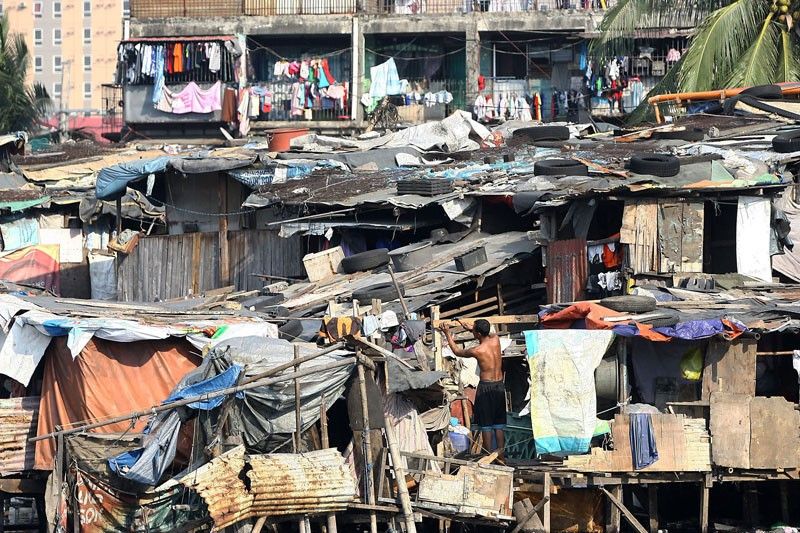
While social distancing and handwashing are deemed essential and promoted, it is still considered a privilege to many, especially those who are in highly populated areas and stricken by poverty.

According to Guzman, 1 out of 4 Metro Manila residents are informal settlers and 51 percent of them are in danger areas and only a little over half of the number of families have water piped into their dwelling.

Urbanization has resulted in various community challenges that must be prioritized. The community is more vulnerable to the effects of climate change and the COVID-19 pandemic due to poverty.


Oceans’ Health

Oceans acidifying at ‘unparalleled’ rate
Photo by telegraph.co.uk

Carbon emissions can make the oceans and other bodies of water more acidic and causes calcification or prohibits a shell or the skeleton to form. Thus, the end of these marine organisms might be soon.


Due to our garbage, most specifically plastics that we throw away anywhere and gets through various bodies of water, can cause damage to our marine organisms and impedes the way they form, grow, and serve the oceans.


Through all efforts about eliminating and/or lessening the use of plastics, hopefully oceans and its marine life form can be saved. But with reckless and imprudent use of these materials, no matter how we eliminate and lessen its use, it can still create harm. With all the wastes we throw in the oceans or its other forms, it can drawback to us through the food we eat.


Fishes that we consume can eat our waste, thus fallback to us as a consummate of our health and the drawbacks will go on, and its cycle will just continue. It aggravates me, in all ways, which these kinds of pollution continue to happen after all the reminders, campaigns and other educational reach has been and continues to publicize to let the community know that we should take good care of these bodies.


In accordance, the future is at stake for not having healthy oceans; which did not happen overnight. The youth will soon not know how it feels like to see and have the feel of healthy water that builds the ecosystem, its marine life forms and how it benefits us in the long run. In this light, we may have the view of all the artificial and man-made marine life to resort to a ‘looks like’ and/or ‘feels like’ just to compensate them to witness and somehow have the feel of how it was like decades ago.


The oceans are what keep us alive as a nation. Through various effort of the government, media and other organizations, steps on how to maintain these forms in clarity, cleanliness and its entire life would come from us, stakeholders.

References:
————————————
 
This article was originally submitted as one of the requirements for my MediaLIT class in Arizona State University (also powered by edX) last August 2015. Thank you to my professor, Dan Gillmor for being such a good resource of brilliant ideas, techniques, and skill set to further Media Literacy in today’s global state. 

The #NoToStraw Experience

#NoToStraw campaign initially started when I was still in college taking up my Green Marketing course. The said course opened my eyes and my being to be an environmentally responsible marketer which also constituted with our group then doing a research in using plastic utensils in University Belt, its effects and its alternatives.

Truth be told, I also happened to have lost my track to what should have done in the first place. It is very recent that all these woke me up again and finally initiated a campaign for the greater good. When I started supporting campaigns for the ocean, it triggered me to be more responsible and hands-on to what should be done for the environment and its entities. Besides, we are the beneficiaries of our own efforts and sacrifices.

My #NoToStraw experience seems to bring weirdness for some. As an example, the baristas who serve me coffee or frappucino – to be more specific- used to find it really different that I go for a no cover, no straw, and no tissue frappucino. They tend to ask me why, and I, on the other hand, enthusiastically explains to them what it is for and what benefits we could all get by limiting our plastic usage. Others were convinced, the rest just found it funny. From my end, at least, my trash whenever I order coffee is just the plastic or paper cup – just one from the usual many things that were being thrown away whenever I dine in or have it to go.

True enough that it is hard to totally eliminate our plastic usage but we can start by limiting the consumption of it. Just like for straws – we can still drink our beverages without it. I know that it provides convenience especially if it is a cold drink as the ice are going straight to our lips, but limiting its habitude can provide a greater convenience not just for us but for the environment as a whole.

Save the Environment: NO to Straw Campaign

Photo from web

Straw, along with other plastic materials, can be very harmful to the environment. Most of us never think twice or even re-consider using these kinds of disposable plastic straws.

True enough that using straws gives us convenience and some might wonder why we need to re-think using these. Here’s some of the reason why:

  • Straws are made up of POLYPROPYLENE – it is a petroleum bi-product; which is the same material used in automotive, textiles, and other plastic materials.
  • Straws are among the TOP 10 Marine Debris Items
  • 44% of all SEA BIRD species and 22% of CETACEANS have ingested plastic – straws included
  • Plastic constitutes 90% of ALL trash floating in the world’s oceans
  • In the last 25 years, 6,263,319 straws and stirrers were picked up during annual beach clean-up events

Using straw can be of a convenience, no doubt. But in cases, we can still drink our beverages even without the use these, right? Plastic straws are not only adverse to the environment but can be noxious to our health as well – having been in direct contact with various toxic chemicals that were used to make these plastics.

The above mentioned items are just few of the given harmful effects of straws (and other plastic materials) that we consume every single day. Indeed, eliminating (instantly) the usage of these can be quite impossible for we have been dependent on it for quite some time; but we can now start to LESSEN/MINIMIZE and PROPERLY CONTROL its usage — one step at a time. In this way, we can help save the environment from ALL kinds of pollution, save our fishes and our oceans, and take part on maintaining our healthy body.

Be Straw Free. Go Strawless.
Support the NO to Straw Campaign TODAY!

Note: More updates (research and other study) will be added
Study reference: http://www.choosetobestrawfree.com/