Fast Fashion and its Effect on the Environment

Fast Fashion is characterized by the rapid production of trendy, inexpensive clothing, driven by social media influence. While it makes fashion accessible, it contributes to environmental issues like waste generation and water pollution. Sustainable practices can mitigate these impacts, with both consumers and brands encouraged to make responsible choices for long-term benefits.

The trendier, the better, is what we often see being utilized today as part of consumer consumption. Given the accessibility of shops through online stores or e-commerce, it is easier to purchase without much of a hassle. Though this could be a good thing economically, being mindful of what we purchase could also bring some rewards.

Fast Fashion, what it’s about

Fast Fashion refers to the rapid or hasty production of trendy and inexpensive clothing inspired by the latest trends often seen on social media, internet influencers, and/or celebrities. They are fashion items that are made affordable and accessible for public consumption.

The commencement of fast fashion could be dated back to the Pre-19th century. However, its boom came in later in the 20th century. In the 1990s, brands started to revolutionize how the public conceives them through ready-to-wear, easy-to-purchase, and greatly affordable clothing items that are readily available to the masses. Fast-forward to its continuous impact and ever-changing trends of consumerism, fashion, and its related items have become more disposable, making consumers be encouraged to purchase more and discard old trends or styles faster.

While fast fashion made new trend items like clothing, accessories, bags, etc., within reach and reasonably priced for the masses to buy, it also comes with significant environmental concerns:

  • Waste Generation

Overproduction of fast fashion items can lead to massive amounts of unsold inventory and unused and discarded clothing from consumers. Many of these garments and accessories are often made from non-biodegradable materials that can take hundreds of years to decompose.

  • Water Pollution and Overconsumption

Texting dyeing is the world’s second-largest polluter. The fast fashion industry uses approximately 700 gallons of water to produce cotton shirts, and about 2,000 gallons for a pair of jeans.

Fast fashion items are accessible and affordable; thus, we often overconsume because there is a fast-paced trend that we also frequently witness via social media that also influences us to purchase. Such consumption might not be totally wrong; however, there are impacts to the environment, to humans, and to other species that we should also be mindful of.

  • Overall Climate Crisis

While success is a collective effort, so are the crises that everyone is experiencing. While we cannot blame fast fashion alone and its consumption, it is a contributing factor to what we often witness as a climate crisis (e.g., the proliferation of chemicals and microplastics in both land and water, excess amount of waste that cannot be broken down easily, etc.).

Kudos to the fashion brands that are already making their way to sustainability by addressing these discourses. While there are a huge number of initiatives to be done, truthful efforts shall count; thus, consumers also have a role to play in terms of consumption—all these between uplifting the economy and ensuring relatability of brands, the industry, and their overall contribution.

The Take

There are some ways that both brands and individuals can combat the negative impact of fast fashion, by making sustainable choices, rewards could be sowed, albeit not instantly, but eventually.

By buying less and choosing well, not only consumers can prioritize quality over quantity but also reef stellar financial rewards for not spending so much on certain items that they will only discard after. Brands can also focus on ensuring economically considerate price points without also deteriorating the quality to accommodate bulk production. Adopting a capsule wardrobe approach can also help mix and match style pieces and create a more versatile look.

Brands should also look into more responsible production, marketing, and ethical labor practices. Implementing circular fashion that encourages recycling, repurposing, and reusing rather than discarding and offering certain incentives for participants.

While the above efforts could be done by both brands and consumers, the government also plays a significant role in making sure that these initiatives will be consistently applied. By crafting strict environmental laws and policies, incentivizing businesses that ensure fair wages and production through tax benefits and other grants, and educating consumers could go a long way.

References:

Business Insider (2019). Fast Fashion Environmental Impact Pollution Emissions Waste Water. Retrieved from https://www.businessinsider.com/fast-fashion-environmental-impact-pollution-emissions-waste-water-2019-10#fashion-causes-water-pollution-problems-too-textile-dyeing-is-the-worlds-second-largest-polluter-of-water-since-the-water-leftover-from-the-dyeing-process-is-often-dumped-into-ditches-streams-or-rivers-19

Center for Biological Diversity. (n.d.). At What Cost? Unraveling the Harms of the Fast Fashion Industry. Biologicaldiversity.org. Retrieved from https://www.biologicaldiversity.org/programs/population_and_sustainability/sustainability/fast_fashion#

Maiti, R. (2025). The Environmental Impact of Fast Fashion, Explained. Earth.org. Retrieved from https://earth.org/fast-fashions-detrimental-effect-on-the-environment/

also published in Stewarshidship Commons

SPE 2020: Ecological vulnerability discussion

Part 1 of 2 of the State of the Philippine Environment Forum 2020 coverage
Featured Image from The Philippine Star

MANILA, Philippines – On Wednesday, April 22, 2020, in commemoration of the 50th Year of Earth Day, The Center for Environmental Concerns – Philippines (CEC) held a webinar about the State of the Philippine Environment in time of COVID-19 discussing the ecological challenges to the pandemic.

Together with the Kalikasan Youth Advocates for Climate Action Philippines and Earth Day Network Philippines, the webinar series aimed to discuss the environmental challenges and provide ecological solutions for the community.

During this time, the Philippines experiences environmental consequences that are aggravated by COVID-19 pandemic and the country is now facing the worst ecological crisis.

Neo-Liberalism and PH Vulnerability

Neo-liberalism is a policy model that accentuates and associated the laissez-faire economic liberalism and promotion of free-market competition.

“Neoliberalism allows the unbridled utilization of our natural resources. It devastated our environment and impoverished our people,” said Rosario Bella “RosB” Guzman, IBON’s Research Head and Executive Editor and the first speaker on the Earth Day webinar.

Guzman also reiterated that while the Philippines is first in Green Revolution, the country has still become more vulnerable to different calamities and natural disasters.

Wealth inequality has been an existing challenge in the economy and thus, various industries have contributed to the environmental destruction that resulted in deforestation and land-use change.

“In a healthy environment, forest cover must be at least 50 to 54 percent. Currently, the country has 23 percent forest cover, 10.5 percent severe, 16.6 percent moderate, and 3.2 percent very severe,” Guzman added.

Guzman furthers that the reason behind the declining forest cover and land-use change was the government’s prioritization to real estate, industrial plantation, agri-business venture, use of hybrid genetically modified crops, and large-scale mining.

Dirty Energy

In the discussion regarding Dirty Energy, Guzman explained that coal is the dirtiest fossil fuel and a major source of air pollution.

And, while there are some renewable sources of energy that the Philippines plans to utilize like the 21 hydroelectric power projects, they are not considered as renewable energy as they utilize large dams that cause changes in the ecosystem and displacement of communities.

Social Distancing and Handwashing to combat COVID-19

Social distancing and handwashing are the most effective ways to fight COVID-19 contamination. It has been prioritized by the Philippines government, LGUs, and WHO. Hence, the implementation of the Enhanced Community Quarantine (ECQ).

The ECQ aims to limit physical interaction in the community and the suspension of public transport, public and private work, and classes, as well as the aggressive promotion of good and proper hygiene and suspension of rotational water interruption.

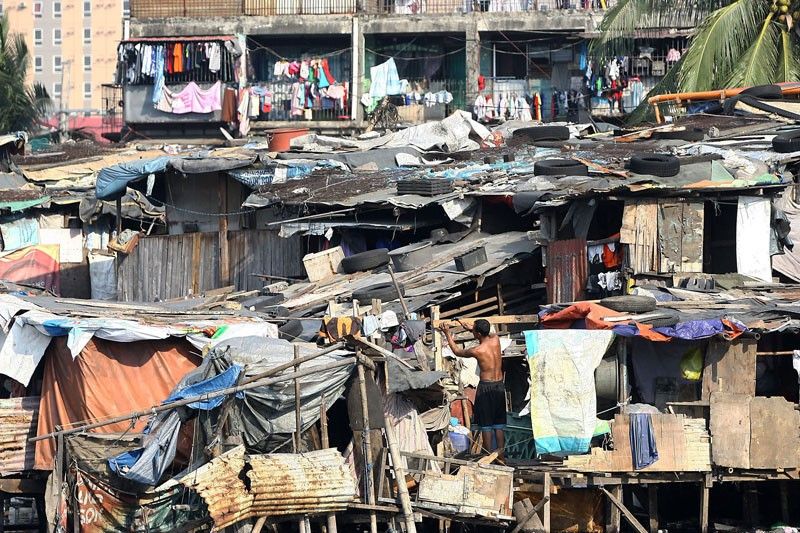
While social distancing and handwashing are deemed essential and promoted, it is still considered a privilege to many, especially those who are in highly populated areas and stricken by poverty.

According to Guzman, 1 out of 4 Metro Manila residents are informal settlers and 51 percent of them are in danger areas and only a little over half of the number of families have water piped into their dwelling.

Urbanization has resulted in various community challenges that must be prioritized. The community is more vulnerable to the effects of climate change and the COVID-19 pandemic due to poverty.


Earth Day 2020: Climate Action

Also published on happy-shift.com

The Earth is being celebrated annually every April 22nd. This year, April 22, 2020, marks its 50th year with the theme, Climate Action.

Earth Day has become the largest civic event that aims to have a unified movement to combat an environment crisis – pollution, ocean acidification, deforestation, and climate change to name a few. For fifty years, Earth Day is a significant occasion to educate citizens, celebrate the planet, and call for support to forward for the Earth.

This commemoration is a good reminder that citizens of the world can stand together for the benefit of the planet and its inhabitants. It is also an opportunity to get reminded how Earth should be taken good care of and call out purveyors that endangers it.

Earth Day in History

Started on April 22, 1970, by its founder and then U.S. Senator from Wisconsin, Gaylord Nelson, the first Earth Day has given birth to modern environmental efforts and paved the way to annually recognize the said civic movement to call for support to help the planet fight its continuing ecological challenges.

Earth Day History

The first Earth Day movement has joined by approximately 20 million Americans (10 percent of the total U.S. population during that time) to protest environmental unawareness and request a new mode of techniques and systems to support planet Earth.

The said protest has been successful and drew actions by the government to create environmental laws to protect the environment such as the formation of the Environmental Protection Agency (EPA) and public policies like The Clean Air, Clean Water, and Endangered Species Act which many countries around the world have adopted as well.

The first Earth Day also opened opportunities for volunteers, environmental advocates, and activists to form organizations for the benefit of nature. In 1971, Greenpeace, an environmental activist organization was established.

Earth Day has consistently held major international events to put countries together and lay significance in protecting the planet. Hence, on Earth Day 2016, the United Nations (UN) has signed on the Paris Agreement on Climate Change that aims to strengthen the global action to the danger of climate change.

At present, more and more advocates are starting to make a difference for the environment regardless of age. One is Greta Thunberg, a Swedish Teenager and Climate Activist who called for “School Strike for Climate,” which participated by more than 17,000 students from over 20 countries.

Earth Day in the Philippines

Earth Day is also being recognized in the Philippines every April 22, the same day as it is recognized globally. Proclamation No. 1481 signed and effective on April 10, 2008, by former Philippine President, Gloria Macapagal-Arroyo; Department of Environment and Natural Resources (DENR) as the may convenor.

Various private and Non-Government Organizations (NGOs) have made April 22 in celebration of the planet through Earth Day Runs, Mass Tree Planting, Clean Up drives, and Earth Day Concerts among others. The aim of these said events is to bring people together, educate them on the importance of acting for the Earth, and share and strengthen the advocacy for the planet.

Earth Today

At present, the planet Earth is experiencing a lot of changes that seem apparent through the current climate and deterioration of biodiversity. Humans play a significant role in the changes that the planet face.

As of March 2020, the Earth population has reached 7.7 billion. Therefore, 7.7 billion people are competing for a limited number of natural resources including food, water, and fuel. Experts and scientists believe that the planet has reached the limits of what it can only support. Thus, controlling population growth has deemed necessary.

Due to the advancement of technology and the emergence of various businesses, the majority of the world’s population is already living in urban than rural areas. Hence, a greater number of pollutants were being listed due to the growing need for transportation, manufacturing, and other production. The rise of carbon dioxide and other greenhouse gases has been a serious threat to the planet.

The effects of global warming also affected the patterns of water and its accessibility for necessities. Some regions and rural areas dependent on agriculture experience a lack of access to safe drinking water and or supply per se to cultivate.

Aside from these challenges, the Earth also faces threats of deforestation, ocean acidification, and failing ecosystems.

Climate Action

Goal 13 in the 17 Sustainable Development Goals (SDGs) or Global Goals is Climate Action.  The goal seeks to take urgent action to combat climate change and its impact.

Climate Action SDG 13 copy

Any country in the world is experiencing the drastic effects of climate change. It is evident through the number and the intensity of natural disasters that occur annually. Global warming is also a major threat that has a lifelong effect on nature and its inhabitants.

Climate Action aims to strengthen the resilience and adaptability of the world most especially the most vulnerable areas and regions (island states and confined countries). Climate Action calls nations to create mandate and national policies integrating essential measures and strategies empowering climate resilience and disaster response.

Anyone on Earth – whether private or public organizations, leaders, and ordinary citizens – are encouraged to help to craft a collective effort to support climate action.

SDG Poster by UN org
Photo from United Nations SDG Fund

What People Can Do to Help

Everybody can do their part to help combat the implications of climate change. By simply using energy wisely – unplugging electronics when not in use, washing clothes in cold water and simply hanging them dry, and changing lightbulbs to more energy-efficient ones, to name a few – can help.

Taking Action copy

Supporting local, all-natural, sustainable, and organic businesses can also contribute to the recovery aim of the environment. It lessens energy use to create items, transport products from and to, and it also helps the local economy to grow. Eating a less-meat, plant-based diet can also benefit. Consuming less, upcycling, repurposing, composting, and/or recycling is encouraged as well.

Resorting to a greener commute is also essential. To lessen carbon footprint, people may consider the option of taking public transport, car-pooling, riding a bike, or switching to electric vehicles.

Being politically active and choosing good leaders is also a vital aspect of succeeding in the battle towards a better climate. Employing great political leaders can also give birth to necessary national policies that citizens and nature can benefit from.

Spreading the word about climate action initiatives, staying engaged, and educating fellowmen are also significant contributions to the battle. By doing so, it promotes collective actions to care to eliminate the hazardous and overwhelming impact of climate change to the planet.


References:

Earth Day Organization (n.d). Earth Day 2020. earthday.org. https://www.earthday.org/philippines/

History Editors. (5 March 2020). Earth Day Timeline. History. https://www.history.com/topics/holidays/earth-day-timeline

Medina, M. (22 April 2019). DID YOU KNOW: Philippines’ Earth Day. Inquirer.net. https://newsinfo.inquirer.net/1109009/did-you-know-philippines-earth-day

Sustainable Development Goals Fund. Goal 13: Climate Action. https://www.sdgfund.org/goal-13-climate-action

Thompson, A. (21 April 2009). Earth Checkup: 10 Health Status Signs. LiveScience. https://www.livescience.com/11391-earth-checkup-10-health-status-signs.html

United Nations Climate Change. (22 October 2018). What is the Paris Agreement?. https://unfccc.int/process-and-meetings/the-paris-agreement/what-is-the-paris-agreement

Worldometer. (13 April 2020). Current World Population. https://www.worldometers.info/world-population/

January 2020: National Zero-Waste Month

Presidential Proclamation no. 760 declaring January as the National Zero Waste Month was signed by President Benigno S. Aquino on May 15, 2014. This declaration has a purpose to remind Filipinos and the rest of the country to be mindful of waste generated.

The said proclamation was also pursuant to the Republic Act (RA) 9003 or the Ecological Solid Waste Management Act of 2000. One of the highlight provisions of the RA is the proper segregation, collection, transport, storage, treatment including disposal of solid waste.

________

These decrees aim to encourage appropriate management of rubbish due to various crises the country faces in terms of garbage disposal.

The Philippines is the third-largest contributor to ocean pollution.

The Philippines is known to be the third-largest ocean pollutant after Indonesia as it produces two million tons of plastic waste per year. Approximate 800,000 tons of this said waste goes directly to the ocean.
Daily, the Philippines generates 43,684 tons of garbage and 4,609 tons of it is plastic waste. Such plastic dross came majorly from single-use plastics like sachets and those tetra packs. These product packagings are influenced largely by the country’s penchant for ‘tingi’ that has become its current market culture.

To recount, there are only 139 operational sanitary landfills in the Philippines. These landfills are servicing only 308 of the nation’s 1,634 Local Government Units (LGUs). At least 425 illegal dumpsites are operating in the country; moreover, only 24 percent of the entire nation’s 42,036 villages had its functioning Material Recovery Facilities (MRFs) – such given capacity or lack thereof are one of the causes of waste problems and health hazards.


________

What we are doing:

We, at Happy Shift, are aware of the current implications of solid waste to our environment most especially to our oceans and marine species. In 2019, all our deliveries throughout the Metro is plastic-free. Our parcels are recycled brown papers and we do not use plastic bubble wraps, even shredded papers. The latter, while made of recycled materials cannot be re-used any more.
We also refrain from using plastic tapes and shifted to using masking tape instead. Masking tapes are made from thin paper with adhesives. Currently, we are still looking for other and better ways to keep all purchased items secured without compromising our clients and the environment.
For orders outside Metro Manila, we are using cartons or boxes to deliver instead of the usual plastic parcel. We are in negotiation with our couriers to handle deliveries with extra care since we are emitting plastics entirely.
We still have a long way to go in our #plasticfree and #zerowaste journey. We are still improving deliveries as we do not want soaps to dent and get damaged in transit to our clients.

What we can do more:

We encourage everyone to dispose of their waste properly. Waste segregation and recycling or upcycling are highly supported. Let us not stop the yearning to learn more about how we can live sustainably and how we can further help our environment and our country in combatting the challenges regarding waste management.
We also believe that businesses especially huge firms or corporations should take a leap from using and producing single-use plastics to more sustainable packaging.
Together, we can make a difference. Let’s continue the #zerowaste journey.

References:


DENR (2014). January is National Zero-Waste Month: Time to do away with our “Throwaway Culture”. [Article] Retrieved from http://ncr.denr.gov.ph/index.php/about-us/history/87-regional-articles-default/349-national-zero-waste-month

National Solid Waste Management Commission (2017). 17th Anniversary of R.A. 9003 and Zero Waste Management Celebration. [Article] Retrieved from http://nswmc.emb.gov.ph/?p=1065

Romulo, R. (2019, July 5). Philippines: A Leader in Garbage. [News Article] Retrieved from https://www.philstar.com/business/2019/07/05/1932006/philippines-leader-garbage

Is the Future Really Sustainable?

Issues in the environment are not all new. In fact, such problems surfaced since the 19th century – the aftermath of the industrial revolution.

Technology and nature, on some levels, do not coincide. Coals have been utilized to support power supply that also supports types of machinery.

At some point (at least not so much in the current aspect), innovation or development equates to pollution.

As early as the 1950s, there were already attempts to raise awareness and spread information about the adverse impact of technological innovation on the environment.

The price people have to pay for the advancement of technology is increasing. Not that innovation cannot do humanity any good; however, development should not be at the expense of the existing natural resources and the entire community that relies on it.

Changes are evident in the seasons. Natural disasters, while inevitable, are extremely destructive and even getting far worse – putting many lives and resources at stake. The nation cannot seem to handle such extremity anymore. Hence, the attempt and will to advance the various disaster and risk reduction programs.

The national initiative of the government is vital to encourage people to engage and be informed of what they can do to abate the effects of climate change. While these initiatives are deemed essential, promotion of sustainability and environmental protection shall be participated by local businesses and big corporations.

Tapping businesses to participate is necessary because they are the ones who produce massive supplies and in control of a heavy production for public or market consumption. In simple terms, they have the power to influence people. Thus, getting them to be more aware of the implications and existing atrocities of generating materials that can batter the environment is not only essential but should also be mandatory.

In return, businesses can also gain adherence from the market in promoting and achieving sustainability. Hence, it can empower their venture in the long run while influencing more and more people to participate. Many startups today leverage by promoting and encouraging the market to shift to using sustainable products on its excellent cause.

One hindrance why businesses cannot or would not power through sustainability and eco-friendly initiatives because it could mean more expense from their end. What these companies do not see yet is the ‘good cause’ that makes them more preferable by the market while in bequeath to support sustainability.

More often than not, businesses have more competence and power to influence people even more than how the government has done. Thus, sustainability and the potential to help the environment combat its issues could rely on enterprises (primarily, but not solely).

The future is indeed sustainable. It is not (at least not yet) a hopeless case. The government, business (whether big or small), together with the community should work hand-in-hand towards the goal of a sustainable future.

Technology-centered or -driven companies could make use of the opportunities to lead business sustainability by making wise choices on how they consume energy and where they generate it.

Retailers and Fast-Moving Consumer Goods (FMCG) companies can support this effort by averting the use of single-use plastics in their packaging.

Culling better alternatives to what was usually the best resort due to its economic advantages could be overwhelming at some point. The community should also realize that what is economical sometimes does not duly equate to being environmental and sustainable. Therefore, it can result in drawbacks and other complications – whether in health, finances, ecological, etc.

Featured Image Source: City of Phoenix http://www.phoenix.gov

Save the Environment: NO to Straw Campaign

Photo from web

Straw, along with other plastic materials, can be very harmful to the environment. Most of us never think twice or even re-consider using these kinds of disposable plastic straws.

True enough that using straws gives us convenience and some might wonder why we need to re-think using these. Here’s some of the reason why:

  • Straws are made up of POLYPROPYLENE – it is a petroleum bi-product; which is the same material used in automotive, textiles, and other plastic materials.
  • Straws are among the TOP 10 Marine Debris Items
  • 44% of all SEA BIRD species and 22% of CETACEANS have ingested plastic – straws included
  • Plastic constitutes 90% of ALL trash floating in the world’s oceans
  • In the last 25 years, 6,263,319 straws and stirrers were picked up during annual beach clean-up events

Using straw can be of a convenience, no doubt. But in cases, we can still drink our beverages even without the use these, right? Plastic straws are not only adverse to the environment but can be noxious to our health as well – having been in direct contact with various toxic chemicals that were used to make these plastics.

The above mentioned items are just few of the given harmful effects of straws (and other plastic materials) that we consume every single day. Indeed, eliminating (instantly) the usage of these can be quite impossible for we have been dependent on it for quite some time; but we can now start to LESSEN/MINIMIZE and PROPERLY CONTROL its usage — one step at a time. In this way, we can help save the environment from ALL kinds of pollution, save our fishes and our oceans, and take part on maintaining our healthy body.

Be Straw Free. Go Strawless.
Support the NO to Straw Campaign TODAY!

Note: More updates (research and other study) will be added
Study reference: http://www.choosetobestrawfree.com/